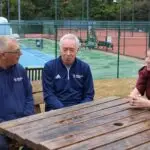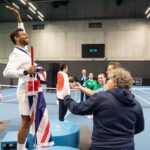
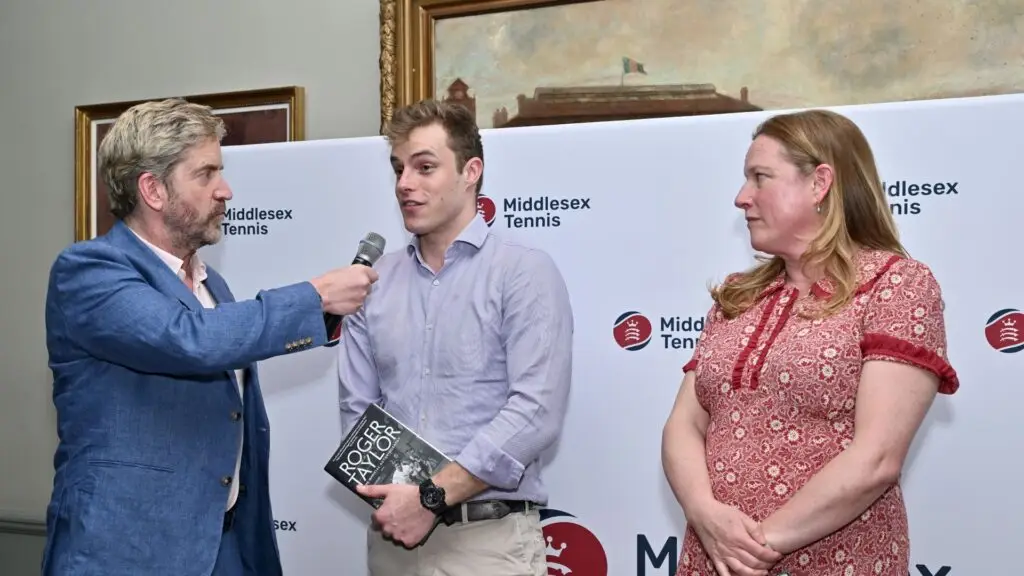
Nicky Maxwell, President, International Para-Standing Tennis Association, and recipient of this year’s President’s Award with the Queen’s Club Foundation at the LTA Awards, talks to us about what effect the Award has had for him.
We were delighted to chat with Nicky Maxwell last week about what has happened in the six months since IPSTA & the Queen’s Club Foundation jointly won the President’s Award.
Six months on – what does winning the award mean?
Jane: Six months on from winning the award, what does it mean to you now?
Nicky: It was a very special day and an amazing moment.
I think, like a lot of the people in that room, you don’t really do the work you’re doing for the recognition. You do it because you hopefully believe it’s something that really makes a difference to people, and you feel that from the people around you.
But that doesn’t mean those moments of recognition don’t feel great.
I was particularly touched by the people who had gone out of their way to nominate me. I didn’t know they were doing that, so I think that really made a difference.
Six months down the line, it’s been a real affirmation that the work I’ve been doing on Para Standing Tennis has been making a difference to people.
New opportunities and experiences
Jane: I know you’re not doing it for the money or the recognition, but has winning the award given you any new opportunities, ideas or experiences?
Nicky: A lot of what I do is about relationships with people. In the UK, that means relationships with the LTA in particular.
Absolutely, the platform the award provides gives you a real chance to be in rooms where you meet certain people. Those connections have subsequently opened doors for the growth of Para Standing Tennis, creating opportunities for more competitions in the UK and potentially helping more resources flow into the sport.
So it’s definitely given us a good platform and some real credibility for the work we’re doing.
What has made you most proud since winning?
Jane: What’s made you most proud since winning the award?
Nicky: To give you a bit of background, Para Standing Tennis is a form of disability tennis for people with physical disabilities who don’t play using wheelchairs.
We’ve been growing the sport around the world, and the UK has been a big part of that. It’s one of the leading countries, and I run the international governing body for the sport.
Some of the most positive developments over the past year have been signs that we’re gaining access to bigger and bigger events.
One recent development that felt particularly special was having a tournament at the US Open for the third year in a row.
The event has been growing, becoming bigger and more embedded in their programme and working more closely with their organising team.
I was in Queens, New York, for the tournament a few weeks ago and got to see how it had grown. A few years ago, we had a small exhibition that lasted 10 minutes on court. Now, it’s a tournament that brings people from all over the world.
It’s featured on the scoreboards, and it really feels like part of the US Open. The athletes are treated in the same way as the other players at the tournament, which is fantastic to see. Ultimately, that’s what we’re doing all of this for.
So that was a really proud moment.
Jane: And for that particular tournament, who competed?
Nicky: That specific tournament is an invitational and takes the top 16 players in the world.
However, our larger-scale tournaments attract more players. At our World Championships this year, we had over 100 players registered.
We have players from more than 50 countries participating in Para Standing Tennis, and those numbers have been increasing.
It’s been particularly exciting to see the women’s game growing. That’s an area we want to continue focusing on, alongside some of the other categories that currently have fewer players participating.
Seeing those moments of change and the progress being made is exciting and brings energy.
I think there’s something self-perpetuating about it, too. Once you see progress, more people get involved, your reach grows and that leads to even more people joining.
That’s a really positive cycle.
The impact of the award and building relationships
Jane: Have you found that the type of people viewing or supporting your work has changed since you won the award? Has that audience grown or improved in some way?
Nicky: This might not be a very helpful answer, but to be honest, not really. However, it has been helpful in other ways.
As I mentioned earlier, the relationships with the LTA, the award ceremony and some of the conversations we’ve had since then have meant I’ve been in rooms with influential people in British tennis.
That has allowed me to make the case for Para Standing Tennis and open doors in different ways.
The value of the award has been as much about the rooms it’s allowed me to be in as anything else.
It’s not necessarily that people attach more credibility to me personally because of the award. It’s about the opportunities it gives me, and any other winner, to make the case for whatever we’re working on.
Jane: Is that the advice you’d give to someone thinking about nominating another person for an award?
Nicky: Yes, exactly.
Recognition is always great for people doing this kind of work. As I said at the beginning, people probably don’t do it for the recognition, but it always feels good when they get the chance to experience it.
On a more practical level, it’s about what the award unlocks rather than the value of the award itself.
For example, it might help someone raise more money for their work because the award provides a signal of credibility.
Or, if it’s about relationships and access, it might mean being invited into rooms you wouldn’t otherwise get to be in.
There might be a celebration drink for award winners, for instance, where people from the LTA leadership or other influential figures in British tennis are present.
Suddenly, you have the opportunity to talk informally about what you’re doing. That can then lead to more formal conversations later on.
I think that’s the real value of these kinds of ceremonies.
Looking ahead – the next six months
Jane: Looking ahead to the next six months, we’re currently in the nominations period, which runs until November, with the awards taking place in March.
What does the next six months look like for you? I know tennis isn’t necessarily as seasonal for you, and perhaps you move things to warmer climates when it comes to events.
Nicky: We’re starting to move into our off-season, but from an organisational perspective, that’s actually our planning season.
We’re organising next year’s calendar, looking at what we’ve learned from the past year and working out what we can improve.
It’s also the time to tackle all the things you don’t want to be dealing with during the season because you’re too busy managing the day-to-day running of events.
In a slightly strange way, from an organisational perspective, the athletes’ off-season can sometimes be even busier than the main season itself.
So we’re in our planning phase now and looking ahead to next year.
We’re sorting out a venue for next year’s World Championships and planning some other flagship events. We’re also finalising agreements for those events.
Alongside that, we’re trying to iron out any remaining issues and improve the experience for players and athletes, making sure our Para Standing Tennis events meet their needs and expectations.
One word to describe winning the award
Jane: My last question: what’s one word that sums up winning the award?
Nicky: One word is tricky!
I think you probably get quite a lot of similar answers to this kind of question. I’d say it was a real HONOUR. I was really touched, and it wasn’t something I expected.
I thought I was there to celebrate some other people, so it was a really memorable experience.
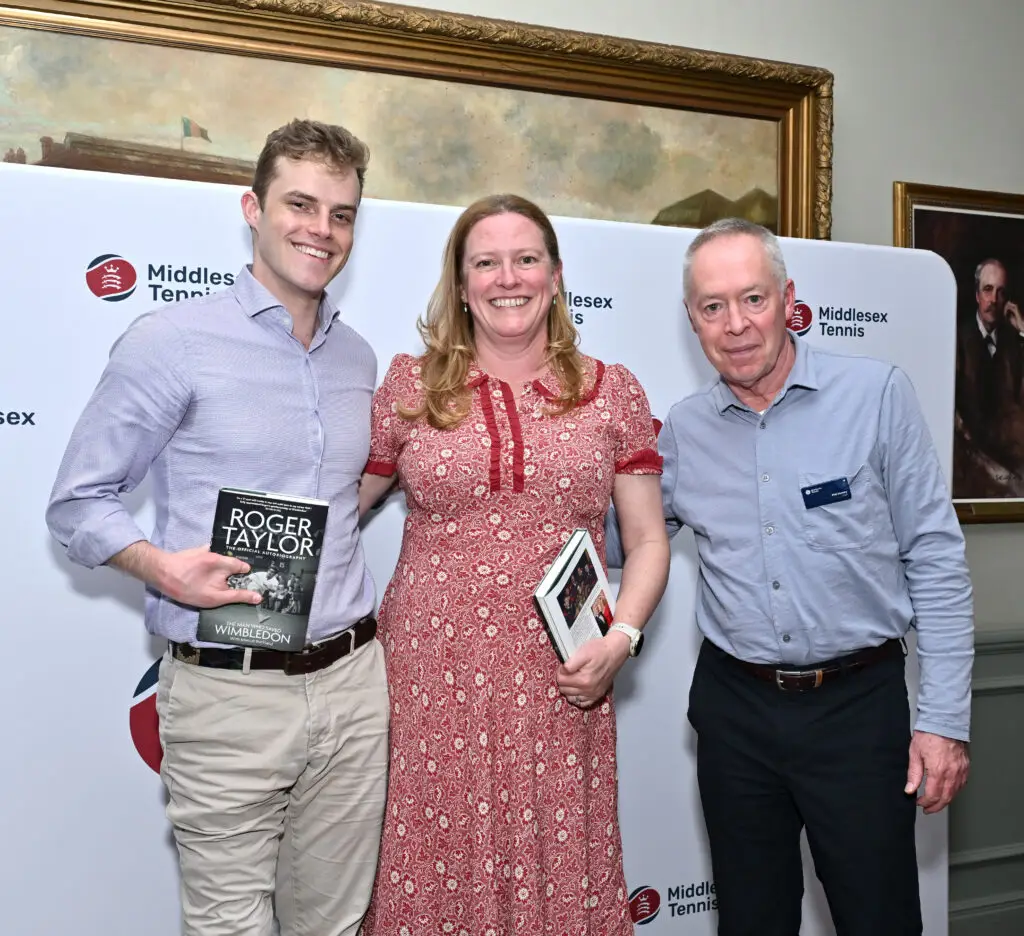
Snapshots of the day
Deadline for Nominations for 2026 Awards
Don’t forget you still have time to nominate.

Deadline is 30th November – Nominate Now!
More photos from the County Championships